!Side Menu Logo

!Header Logo
Senior Cat Care Tips for Older Cats
Cats have a fascinating way of aging. One day your feline friend is launching surprise attacks on invisible enemies at 2 a.m., and the next they are spending half the afternoon supervising the house from their favorite heated blanket. Even as cats grow older, they remain deeply attached to routines, comfort, and the people they trust most. At Olympia Veterinary Hospital, your Olympia, WA veterinary clinic, we often help families navigate the changes that come with caring for aging feline companions.
Our older kitties have their own special set of needs as they age. Knowing what to watch for can help you spot those little changes early and keep your cat feeling spry, comfy, and content. From nutrition tweaks to spotting health changes, a few thoughtful updates at home—plus regular checkups—can help your furry pal enjoy their golden years to the fullest.
When Is a Cat Considered a Senior?
Most cats start to earn their senior stripes somewhere between seven and ten years old, though every kitty seems to have their own timeline.
Some senior cats are still chasing toys and causing mischief well into their golden years, while others prefer to slow things down a bit sooner.
As cats age, their bodies may experience changes involving:
- Mobility
- Vision
- Hearing
- Digestion
- Kidney function
- Cognitive health
Since cats are world-class experts at hiding when they’re not feeling their best, those little shifts in behavior are often our first clue that something’s up.
Your feline overlord might still give you the stink-eye if dinner is three minutes late, but aging can quietly sneak up on their comfort behind the scenes.
Recognizing Aging Cat Health Changes
A lot of health changes in older cats creep in slowly, so it’s easy to miss them at first.
Common changes may include:
- Sleeping more
- Reduced activity
- Weight changes
- Increased vocalization
- Difficulty jumping
- Changes in appetite
- Grooming changes
Some older cats decide they’re not fans of change, while others turn into extra-snuggly lovebugs as the years go by.
Regular vet visits are extra important for our senior kitties, since catching things early can make a big difference in keeping them comfy.
Why Regular Veterinary Care Matters
Routine wellness exams and check-ins are a big help for our older feline friends.
At Olympia Veterinary Hospital, your Olympia, WA veterinarian may recommend more frequent checkups for older cats to monitor for age-related conditions.
Veterinary evaluations may include:
- Weight monitoring
- Bloodwork
- Urine testing
- Dental evaluations
- Blood pressure checks
- Mobility assessments
Cats tend to develop health issues slowly and quietly, so spotting them early can really help keep your kitty comfortable for the long haul.
Your cat might seem perfectly fine at home, even if something is brewing under the surface.
Keeping Senior Cats Comfortable at Home
Helping your senior cat stay comfy usually just means making a few small but thoughtful tweaks around the house.
Helpful comfort strategies may include:
- Soft bedding
- Heated resting areas
- Easy access to food and water
- Quiet resting spaces
- Non-slip rugs
- Lower-sided litter boxes
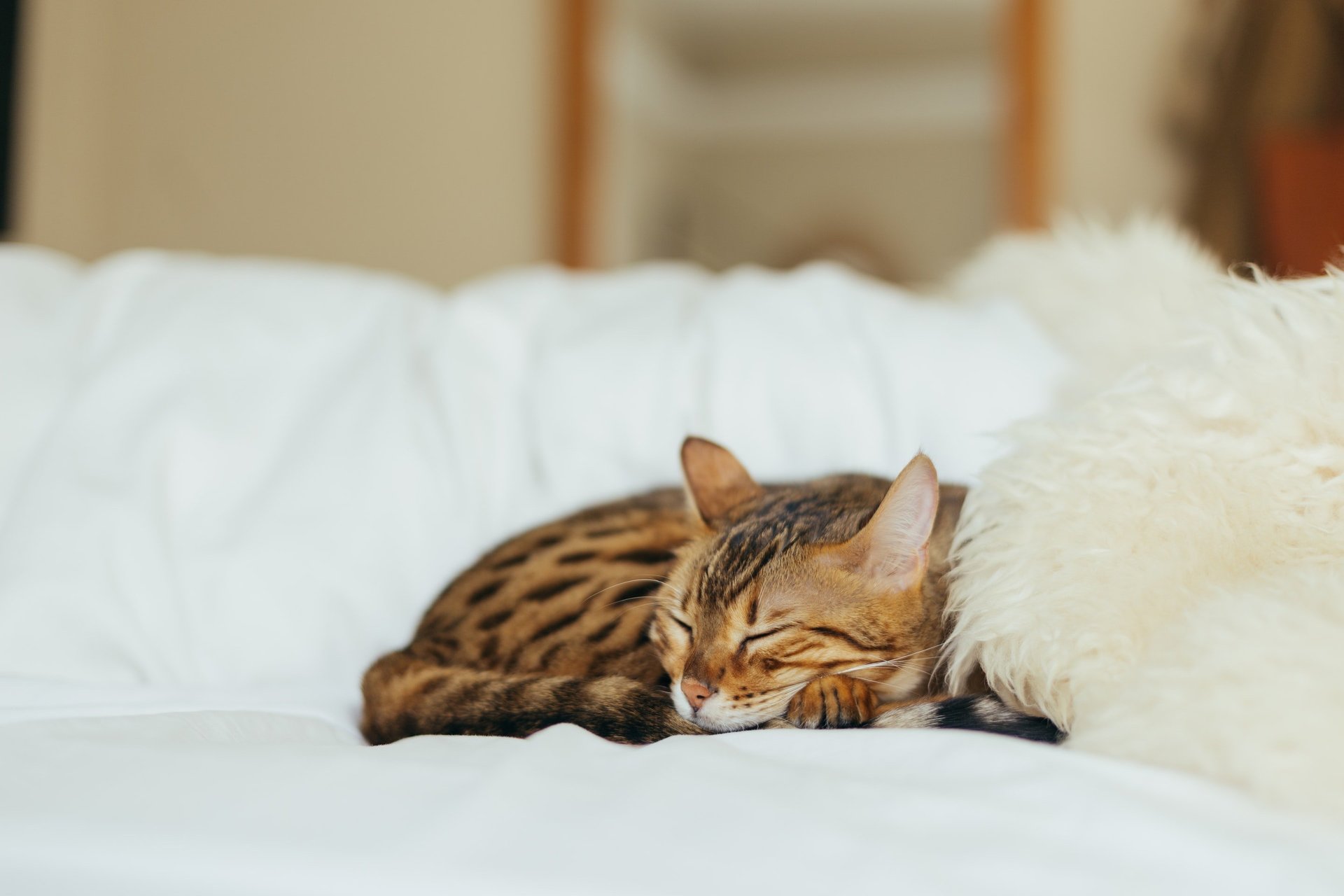
Older cats really appreciate a warm, cozy spot to snooze, especially since their joints can get a little creaky when it’s chilly.
Don’t be surprised if your furry bestie claims the softest blanket in the house and refuses to give it back—seniority has its perks!
Supporting Mobility in Older Cats
Arthritis and stiff joints are super common in older cats, but many pet parents don’t realize their kitty is feeling achy.
Cats experiencing mobility changes may:
- Hesitate before jumping
- Avoid stairs
- Sleep more often
- Become less playful
- Move more slowly
- Struggle with grooming
Since cats are so good at hiding pain, arthritis can be pretty sneaky.
Adding ramps, pet stairs, or some lower hangout spots can make life a lot easier on those aging joints.
Senior Cat Nutrition Tips
As cats get older, their nutritional needs can shift. Senior cat diets usually focus on maintaining a healthy weight, supporting muscle health, and addressing any medical issues.
Senior cats may experience:
- Reduced appetite
- Weight loss
- Digestive sensitivity
- Increased thirst
Some older kitties do best on diets that help their kidneys, support their joints, or are just a little easier on the tummy.
Staying hydrated is especially important for senior cats, since they’re more likely to become dehydrated or develop kidney issues.
Cats are already famous for being picky eaters, and many seniors take that reputation to a whole new level.
Why Hydration Is Important
Many older cats develop kidney-related changes, making hydration especially important.
Helpful hydration strategies may include:
- Multiple water bowls
- Cat water fountains
- Wet food options
- Fresh water daily
Some cats prefer wide, shallow bowls so their sensitive whiskers don’t get squished while they drink.
Keeping an eye on how much your cat drinks can help you catch health issues early.
Grooming Changes in Senior Cats
Older cats sometimes have a tough time keeping up with their grooming, thanks to stiff joints, extra pounds, dental issues, or just not being as bendy as they used to be.
Signs of grooming difficulty may include:
- Mats
- Dandruff
- Greasy fur
- Hair clumps
- Unkempt appearance
A little gentle brushing goes a long way toward keeping your cat’s coat healthy and reducing mats and loose fur.
Some senior cats love the extra pampering, while others still have very strong opinions about their personal space—so proceed with caution!
Litter Box Adjustments for Senior Cats
Litter box habits can shift as cats get older.
Older cats may struggle with:
- Climbing into tall boxes
- Arthritis discomfort
- Urgency related to medical conditions
Helpful adjustments may include:
- Lower-sided litter boxes
- Additional litter box locations
- Easier access throughout the home
- Softer litter textures
If your cat suddenly changes their litter box routine, it’s time to check in with your vet, since it could be a sign of something going on under the surface.
Cognitive Changes in Aging Cats
Some senior cats experience cognitive decline similar to that seen in humans with dementia.
Signs may include:
- Nighttime vocalization
- Confusion
- Wandering
- Sleep disruption
- Increased anxiety
Cats with cognitive changes might stare at walls, forget their usual routines, or get a little lost in places they’ve known forever.
You might catch your cat looking a bit puzzled about where she was headed, only to make a dramatic U-turn halfway across the room.
Veterinary guidance can help families support aging cats experiencing cognitive changes.
Dental Health in Older Cats
Dental disease becomes increasingly common as cats age and may significantly affect comfort and appetite.
Signs of dental problems may include:
- Bad breath
- Drooling
- Weight loss
- Difficulty eating
- Pawing at the mouth
Some cats keep munching even when their mouths are sore, so regular vet checkups are especially important.
Keeping your senior cat’s teeth and gums healthy helps them stay comfortable and happy overall.
Mental Enrichment Still Matters
Even our older cats enjoy a little mental workout and some fun activities.
Helpful enrichment ideas include:
- Puzzle feeders
- Window perches
- Interactive toys
- Gentle play sessions
- New scent experiences
Senior cats usually prefer their playtime on the mellow side—think gentle games instead of wild zoomies.
Even our senior kitties can’t resist keeping an eye on the birds outside or investigating any suspicious rustling from a grocery bag.
Monitoring Weight Changes
Any weight changes in your senior cat warrant attention.
Unexpected weight loss may signal:
- Kidney disease
- Thyroid disease
- Dental problems
- Digestive disorders
Extra pounds can make arthritis and mobility problems even tougher for your cat.
Routine weigh-ins help veterinarians monitor subtle trends over time.
Signs Your Senior Cat Needs Veterinary Attention
Contact your veterinarian if your senior cat develops:
- Appetite changes
- Weight loss
- Vomiting
- Increased thirst
- Difficulty walking
- Bathroom habit changes
- Sudden behavior changes
Cats rarely complain loudly about discomfort, so even subtle changes deserve attention.
Cornell University wrote a piece on caring for an older cat. You can read more about when cats are considered seniors on PetMD. The ASPCA also has a helpful article on senior cat care.
FAQ About Senior Cat Care
What age is considered senior for cats?
Many cats enter their senior years between 7 and 10 years of age, although aging varies between individuals.
What are common aging-related changes in cat health?
Common changes include reduced mobility, weight changes, increased sleeping, grooming difficulties, and behavior changes.
How can I keep my senior cat comfortable?
Keeping senior cats comfortable may involve soft bedding, easier access to the litter box, joint support, hydration, and regular veterinary care.
Do older cats need different nutrition?
Yes. Senior cat nutrition tips often focus on maintaining a healthy weight, hydration, and muscle mass, and on supporting age-related health needs.
Visit Our Olympia, WA Veterinary Clinic for Senior Cat Care
Aging cats deserve thoughtful care, comfort, and regular health monitoring to help them enjoy the best possible quality of life. Understanding senior cat care tips and recognizing subtle health changes early can help support your furry friend throughout their senior years.
If you are searching online for a “vet near me,” Olympia Veterinary Hospital is here to help. Our Olympia, WA animal hospital provides compassionate care for senior cats, including wellness exams, nutritional guidance, mobility support, dental care, and preventive veterinary services. Contact Olympia Veterinary Hospital today to schedule your senior cat’s wellness visit.
This blog is intended for informational purposes only. Always consult your veterinarian for medical advice, diagnosis, and treatment recommendations for your pet and follow their professional guidance.
Do you want to learn more about our pet clinic in Olympia, WA? Our Service Page is a great start. You’ll find a great overview of our animal hospital and the services we offer, which range from basics like Wellness and vaccinations, Dentistry, or Weight management, to more specialized offerings like Internal Medicine. Call us anytime to learn more!
Bonding With Your New Kitten
Senior Cat Care
Feeding Your Hedgehog